DWI DEFENSE
A DWI arrest feels like the end of your world. The shame, the fear, the uncertainty about your job, your license, your family, and your future. With some of the strictest laws in the country, the Commonwealth of Virginia takes a very hard line on these offenses, and the consequences can be life-altering. However, over the years, we have learned: this arrest does not have to define your future.
A Unique Perspective on DUI Defense
Virginia prosecutors are aggressive, but every DWI case has its weaknesses. The question is whether you have a defense attorney who knows how to find them. As a former law enforcement officer with over a decade of experience in conducting and instructing officers in DWI investigations, I bring a unique understanding of how DUI and DWI cases are built. Much of the evidence in these cases relies on the arresting officer’s observations, training, and experience. A DWI arrest is a matter of a thousand details, and my background allows me to scrutinize this evidence with a critical eye to preparing a strong defense.
Stages of a driving while intoxicated criminal charge
A DWI arrest is the result of an officer following a fairly standard investigative process. This process is broken into stages. Each stage is filled with procedural and evidentiary pitfalls the officer must get right. Mistakes in any of these stages can strengthen a DWI defense against the charges. Here, we evaluate whether the officer properly administered these tests. More importantly we evaluate whether the prosecutor can present the evidence in court if this matter were to go to trial

The first stage is vehicle in motion.
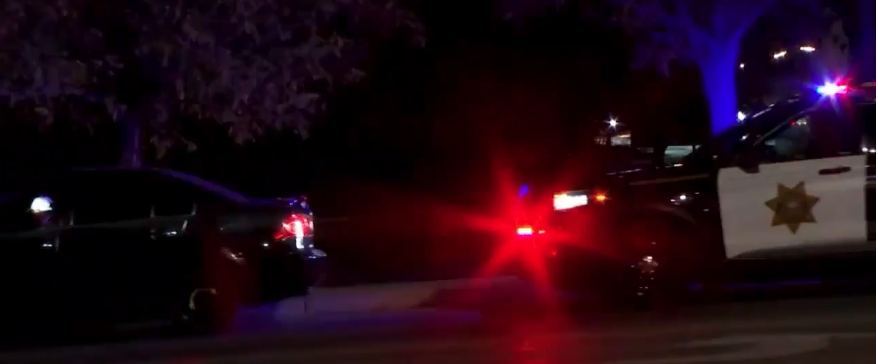
During this stage, the officer observes the vehicle in motion and evaluates driving behavior for any violations of law or indicators of impairment. Here, we evaluate whether the Officer had grounds to make a traffic stop or initiate a DWI investigation.
The second stage is personal contact
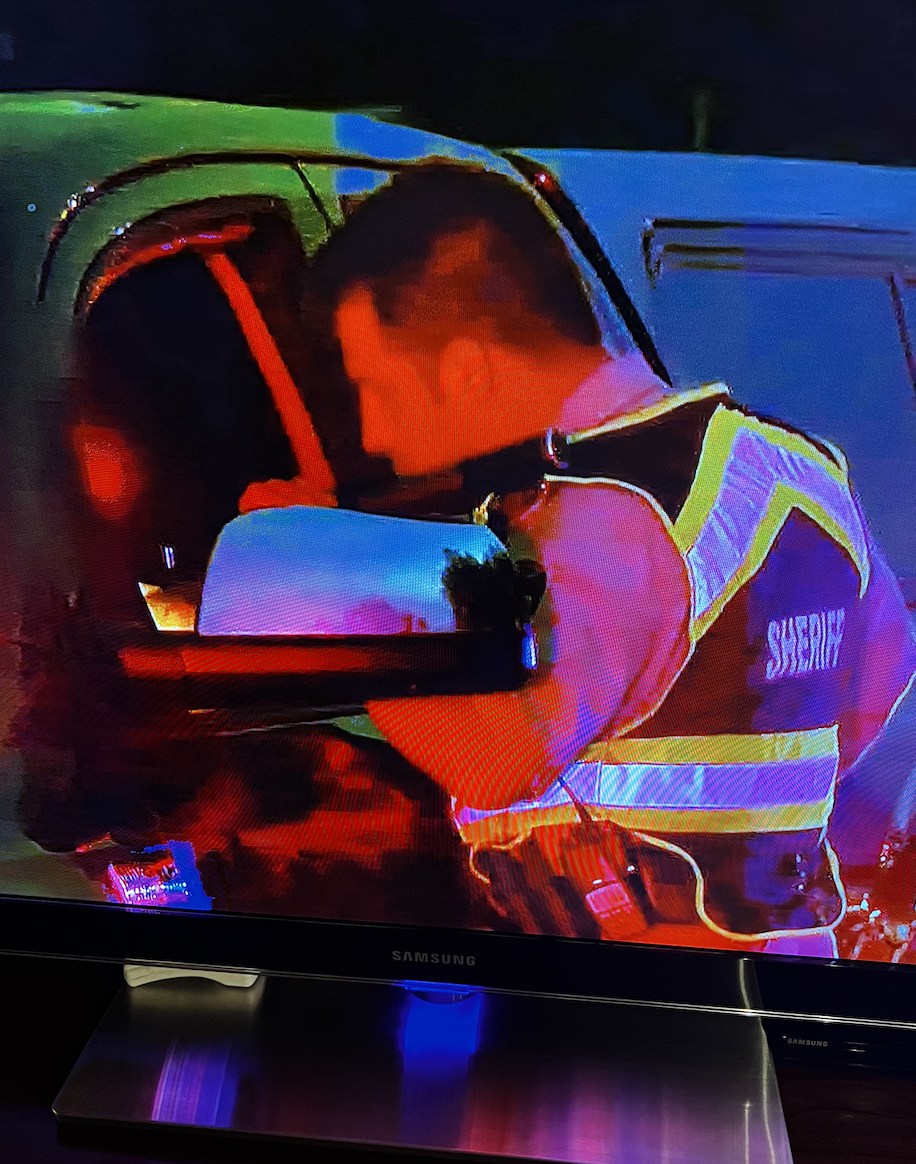
This is the point where the officer first contacts the driver. This is the first opportunity the officer has to directly observe and interview the driver. Based upon this evaluation the officer determines whether to continue their investigation.
Pre-arrest screening
This stage of the investigation is commonly known as field sobriety testing. These are psychophysical tests that require the driver to perform divided attention tests. These tests are designed to require the driver to do two things at once. The tests are physical, mental, and psychological in nature.
In Virginia, under many circumstances, an officer will ask to administer a portable breath test (PBT). While the PBT results are generally not admissible in court, they do give the officer additional facts to make an arrest.
At this p,oint the officer decides whether they are going to make an arrest. After being arrested for DWI, the driver is taken to a police facility where they are read a section of the motor vehicle code that requires them to perform a breath test. If the driver agrees, a breath test is administered. The results from a breath test are admissable in court.
Breath test
After being arrested for DWI the driver is taken to a police facility where they are read a section of motor vehicle code that requires them to perform a breath test. At this point, a breath test is administered by an officer. The results from a breath test are admissible in court.
Each of these stages is filled with legal and evidentiary pitfalls the officer must get right. Mistakes in any of these stages of the investigation contribute to a defense against the charges.

Early intervention with an attorney is critical
The earlier you involve an attorney, the better your chances of minimizing risks and building a strong defense. Early intervention allows for:
Case Evaluation: Identifying weaknesses in the evidence, such as improperly administered field sobriety tests.
Strategic Planning: Exploring every aspect of a defensive strategy, from plea negotiations to trial readiness.
Proactive Measures: Enrolling in programs like VASAP early can demonstrate responsibility and potentially influence plea deals.
Your Defense, Your Future
A DUI or DWI conviction doesn’t just impact your present—it can disrupt your career, security clearances, professional licenses, and even immigration status. That’s why it’s crucial to have an attorney who is prepared to fight for you in every phase of your case, including:
Settlement Negotiations: Backed by trial readiness to strengthen your position.
Trial Preparation: Ensuring you’re fully prepared for courtroom proceedings.
Sentencing Advocacy: If necessary, working to minimize penalties.
Take the First Step Today
With so much at stake, don’t wait to seek legal representation. Whether it is a first-offense DWI, a repeat offense, or a more serious DWI offense, we work to protect your rights, challenge the Commonwealth’s evidence, and seek the best possible outcome.
DUI & DWI Charges in Virginia
Under Virginia law, a prosecutor has five different ways to convict for DWI.
Blood Alcohol Concentration (BAC): A BAC of .08% or higher on a chemical test.
Intoxicated Driving: An officer can charge you if they determine you are intoxicated without a breath test score. Even if your BAC is below the legal limit.
Under the Influence of a Drug: An officer can charge you if they can determine you are driving while you are impaired by a drug.
Under the Combined Influence of Alcohol and Drugs: This occurs when an officer determine that you are under the influence of both alcohol when combined shows intoxication.
Under the Influence of Drugs: This charge occurs when a driver is alleged to drive under the influence of specific drugs above an established threshold.
For cases involving elevated BAC levels (.15 or higher), repeat offenses, or aggravating factors the stakes are even higher. Prosecutors pursue these cases aggressively, often seeking enhanced penalties.
The penalties DWI convictions are severe and far-reaching. They can include:
Jail time
Expensive fines and court costs
License suspension or revocation
Increased insurance rates
Professional licensing and certification consequences
Challenges in employment and educational opportunities